Outdoor Interiors

It sounds like an oxymoron, but today’s outdoor spaces are taking on decidedly interior personalities. While designers have long tried to ‘bring the outdoors in,’ the new trend is to bring the indoors—and comfortable furnishings—out(side). Homeowners across the country looking to maximize their home’s square footage and capitalize on the beauty of the outdoors are creating indoor spaces outside. And when we think fabulous outdoor living, we think Brown Jordan.


Brown Jordan has been designing award-winning outdoor furnishings since 1945. It was actually the first company to create furniture for full-time outdoor use. The company’s stylish designs span a range of styles and materials and represent the pinnacle in innovation and design integrity. From traditional to transitional and contemporary, Brown Jordan offers the perfect styles to create amazing outdoor living spaces.


Here are a few tips to help you create your own ideal outdoor living space:

  1. Think Comfort
    Comfort is just as important for outdoor areas as it is for indoor spaces. Choose furnishings that encourage relaxation and facilitate entertaining and conversation. The best outdoor space is one that makes you and your guests want to stay awhile.
  2. Embrace Color
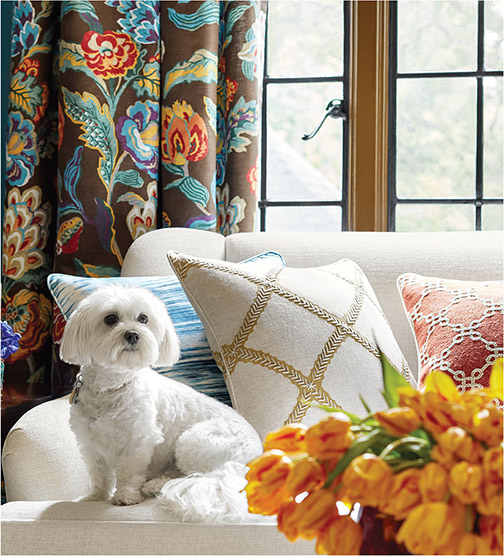
    Even if you’re partial to neutral shades indoors, outdoor spaces are a great place to embrace color. While beiges and browns are the most popular colors for outdoor chairs and sofas, you can add pillows and umbrellas in bright outdoor fabrics to make a style statement.
  3. Plan Well
    Spend the same amount of time planning your outdoor space as you would an interior room. Not only do you have all the requirements of an indoor space (furnishings, décor scheme, space planning)—you also have the added requirements of weather tolerances and durability. If you need help planning your outdoor space, contact one of our staff designers for a free consultation.


All the best,
Sheffield Furniture & Interiors


19
Mar
2013

Designers’ Secret Tips


Ever wished your best friend or relative was an interior designer so you could get all the good tips? Well, wish no more. Think of the “Our Best” blog as your new best friend who has all the best decorating ideas and tricks. Today, with the help of Rockville showroom’s Patrick Prudhomme, we’ve gathered five must-have tips that will help you make your space a success.


  1. Plentiful Pathways. A standard pathway should be at least 36 inches wide—and no cheating or your traffic flow will be compromised. If it’s an area of your home that connects major rooms of your home—go even wider.
  2. Table Talk. The perfect distance between your coffee table and sofa is 13 – 18 inches. Allow less than 13 inches of space and you won’t be able to walk comfortably between them. However, a distance of more than 18 inches will make it impossible for a guest to comfortably place a glass on the coffee table without rising from the sofa.
  3. Wiggle Room. Give as much attention to furniture placement in your dining room as you do for the centerpiece and linens. Be sure to allow 36 inches between the table and whatever is behind it (console, window or wall). This creates adequate space for people to pass behind a seated guest without disturbing them, and ensures your guests will be able to comfortably push back from the table.
  4. Dining Room Rug Rule #1. A dining room rug should always be large enough that a guest leaving the table does not feel the legs of the chair drop off the rug.
  5. Make the Most of a Mirror. Hang a mirror so that it reflects and maximizes light, otherwise it will appear gray and lifeless. If natural light is available from a window, the mirror will reflect that light and be perceived as another window. If natural light isn’t available, hang a mirror across from a chandelier or decorative light fixture to bounce the light around the room.


All the best,

Sheffield Furniture & Interiors


See below for some of Patrick’s wonderful design work!


30
Nov
2012

Dining in Style

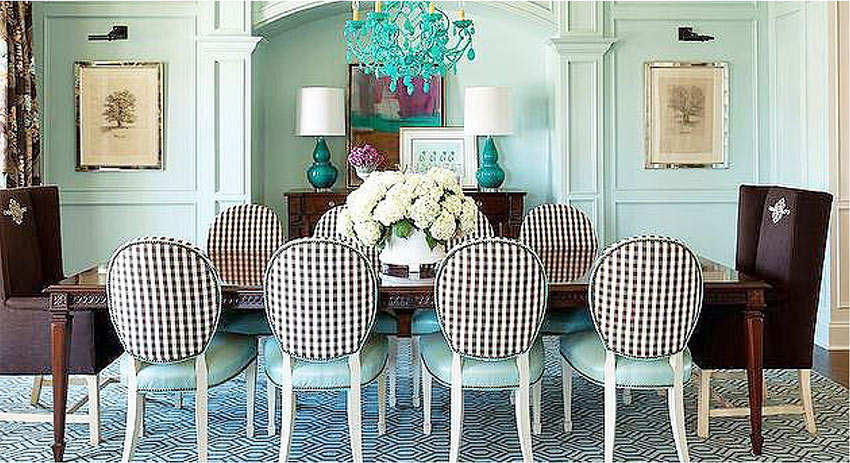
The dining room. Honestly speaking, it’s not the most frequently used room in the house. Yet, when you do use it—it couldn’t be more important. It’s where you break bread with family and a destination loved ones travel cross-country for during the holidays. It’s the site of countless Bunco parties and where you entertain business associates like they’re friends. It’s the best place to sit for coffee and dessert and has served as the location for many important discussions.


So is your dining room living up to its potential? If not, now is the time to rethink, refresh and redesign it to fit your lifestyle.


With nearly the smallest square footage of any room of the house, designing the perfect dining room can be a challenge. Since there’s limited room for extras, the overall look of the space is based largely on its furnishings. Once the star of the room is chosen, a rug, wall coverings, window treatments and artwork can be selected to enhance the look. And don’t forget the tablescape—place settings, linens, and centerpieces are what take a dining room from ordinary to extraordinary.


Wondering how to get started? Call one of our talented designers for a free consultation. They’ll walk you through some easy steps to help you identify your style. Then it’s on to selecting the shape of the table and number of chairs that best suit your personal taste, your room size and entertaining needs. The best part is that they make the decorating process what it should be—fun!


All the best,

Sheffield Furniture & Interiors


20
Nov
2012

The Power of Pattern

Pattern is one of the most powerful ways to change a room. Second only to color, patterns can make or break a space. Use too little pattern and the room feels tired and boring. Yet, mix too many patterns or get the scale wrong, and you’ll give people a headache. Successfully combining patterns in textiles, furnishings, artwork and accessories can take years of practice, but when it’s done right, it’s amazing.


One of the biggest trends this fall is the layering of patterns. This means you’ll see more than just a patterned pillow on a solid sofa. Instead, you’ll see patterns used together from floor to ceiling—textiles, pillows, rugs, and wallpaper are all selected to work together.


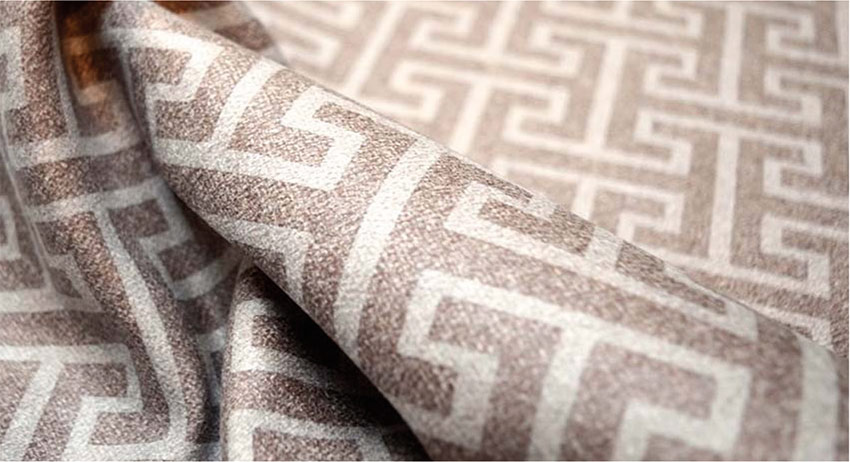
Popular pattern motifs in today’s interior design include the Greek key, medallions, trellis patterns and oversized florals. The 1960s mid-century look continues to be popular—contributing Mad Men-inspired graphic prints in subdued color palettes.


The old rule of decorating used to be to choose one large pattern, one small one and to mix in a medium-sized one. That rule’s gone out the window—along with most decorating rules. The new ‘rule’ is to mix and match patterns until it feels right. Patterns that work well together are united by color, scale, texture, or motif.


For pattern inspiration, check out our blog on Dorothy Draper. She led the industry with her ingenious pairings of oversized florals and bold stripes that combined to create one-of-a-kind looks.


And if patterns aren’t your forte, don’t despair. Just call one of our talented on-staff designers—they make it fun and easy to get the look you want in your home.


All the best,

Sheffield Furniture & Interiors


31
Oct
2012

That Touch of Paris

Sometimes a girl needs a little glamour. And sometimes a room does.


Nothing perks up a space more than adding a layer of sparkling sophistication. For inspiration, think of Paris at night and the Eiffel Tower aglow with twinkling lights. Or picture the glamour of old Hollywood when men still held doors open and everyone dressed for dinner. Adding a little Parisian influence to a room dresses it up and gives it importance. Here are few keys to creating this look:


Start with the sparkle: Furnishings and materials that sparkle add instant glamour. Look for mirrored pieces, reflective surfaces and glitzy textures.


Select luxe materials: When it comes to creating a luxurious environment, rich fabrics are a must-have. Silks, velvets, leather and fabrics with shine and dimension work best for this look. Tufting and pleats can be used to help accentuate a fabric’s character.  And don’t forget faux fur and shearling.


Choose sophisticated colors: An elegant, Paris-inspired color palette is ideally muted or monochromatic. Classic colors and palettes provide a backdrop for statement pieces that create the feeling of luxury.


Don’t skimp on lighting: Good lighting sets the mood in a space, and it’s a critical element for creating this look. Lighting adds drama and directs the eye around the room. Plus, nothing says glamour more than a crystal chandelier or light fixture dripping with bling.


Speak with accessories: Choose your accessories wisely and display only those that help you tell the story you want to tell.


Whether you’re re-imagining your bedroom, living room, dining room or den—you don’t have to go around the world to find glamour. You can use furnishings, accessories and color to bring the ‘City of Light’ to your home.


All the best,

Sheffield Furniture & Interiors


18
Oct
2012

Trend Alert: Livable Luxury

Sure, casual style reigns in many households—but luxury is still alive and well. Thankfully, today’s designers are redefining luxury. Opulence is no longer so over-the-top. Today’s luxury is livable. It’s not fussy and untouchable; it’s real and yet still inspiring.


Nothing looks more luxe than the lovely sheen of a metallic finish or the reflection of a mirrored or gleaming surface. When it comes to adding drama to a piece, sparkle speaks volumes. We love the new muted metallic finishes that are taking hold. From polished gold and pewter finishes on dining tables to elegant detailing on cocktail tables and decorative occasional pieces—the high-end look is all about the details.


Reflectivity abounds in mirrored chests and consoles while shiny lacquered finishes add personality to otherwise conservative profiles. A subtle glimmer in the leather of a sofa takes it from boring to beautiful instantly.


If you’re not ready to embrace luxury in a big way, look to the accessories. We’re seeing accent pillows with shiny detailing and window treatments with metallic hardware. Look closely and you’ll see metallic strands of gold and silver popping up in the most unexpected places. Bring a little luxe into your space and see how happy you feel.


All the best,

Sheffield Furniture & Interiors


11
Oct
2012

Suzanne Kasler’s Signature Style

When I think livable luxury, I think of the Suzanne Kasler collection from Hickory Chair. Her furnishings are gorgeous without being fussy. They’re elegant without being stuffy. And they’re ‘just the thing’ when you’re trying to create a space of beauty.


After years of admiring her furnishings, I began to wonder more about the woman behind the brand. “Who is Suzanne Kasler?” I pondered. She’s obviously more than just a name. It turns out—not surprisingly—that she’s an interior designer by trade. Based in Atlanta, she’s known for her unique combination of southern charm, European sensibility, and architectural sensibilities. Her signature style is best described as where timeless meets classic with a twist.


One of the things I like most about her furnishings is their sense of balance. All of the silhouettes are proportionate and when used together, create a room with symmetry. It’s easy to see that details are important to Suzanne Kasler. Every fabric is beautiful, every finish is exquisite. Her experience as an interior designer shines through in every detail.


What details? Grosgrain ribbon trim, slipcovers with elegant ties, hardware that looks like jewelry, and colors that are soft and touchable—to name a few. I love this quote by her: “A room should feel collected, not decorated.”


If I could do a whole room just with her collection, I think I’d start in the bedroom where her fresh, updated traditional styles would make for a calming, relaxing retreat. Although then my living room and den and guest bedrooms would be jealous…


All the best,

Sheffield Furniture & Interiors


26
Sep
2012

Thomas Pheasant by Baker Furniture


In today’s world of copies and knock-offs, it’s rare to find a furniture collection with a unique point of view. That’s why we adore the Thomas Pheasant collection from Baker Furniture. It’s modern, elegant and distinctive. You can spot his signature style from across the room—and you’ll be drawn to it.


Thomas Pheasant is an award-winning interior designer based in Washington, DC. His signature style is modern elegance and he creates furnishings and interiors that evoke a feeling of calm, luxurious comfort.


What’s interesting about Pheasant is how he selects and interprets classic design motifs in his work. An excellent example is his Arcade table, with curves clearly inspired by architectural arches. “Inspiration is not imitation, it is taking something you have experienced and allowing it to filter through your own unique sensibility,” says Pheasant.


For his latest collection for Baker, Pheasant combines simplicity, bold silhouettes and clean finishes. His inspiration draws from influences around the world and he creates modern pieces that, when looked at closely, reveal classical roots.


These are furnishings that appeal to people who know their own style. There’s nothing exaggerated, frilly or fancy about these pieces. They are bold, sophisticated and highly edited. Pheasant says it best himself: “I find the most satisfaction in elegance through simplicity…It is through editing that I achieve the greatest impact.”


Our best,
Sheffield Furniture & Interiors

24
Aug
2012

Navy Blue: the New “It” Neutral

When it comes to neutrals, watch out browns and grays—navy blue is on the scene. Bold and strong, yet classic and refined, navy is the perfect shade to build a space around. And that’s what makes it the ideal neutral.


So what is a neutral anyway? We see neutrals as the core colors that provide a foundation to a room’s color palette. Neutrals provide a backdrop to help other colors shine, and navy does this with style.


Navy is the perfect complement to white and shades of cream, ecru and beige. It has a crispness that is at once bold and clean. Pair it with whites to create a look that’s classic, formal or coastal.


For a more fashionable look, navy provides the perfect foil to hues of raspberry, gray, red and chartreuse. It offers the rich darkness of black, yet is more intriguing and complex.


A monochromatic color scheme is another excellent way to showcase navy blue. It looks its best in rich fabrics—preferably with sheen, pattern or texture—that reflect its depth.


No ‘johnny-come-lately’, navy has been around for ages, and has never gone out of style. Dining room, bedroom, powder room, den or study…there’s nowhere this shade doesn’t work. And while it’s sometimes the star of the show, its greatest role is as a neutral backdrop that lets other colors truly shine.


Our best,
Sheffield Furniture & Interiors


08
Aug
2012

Bring Dorothy Draper to Your Home

The Dorothy Draper look is unmistakable. Intense colors, bold patterns and lively furnishings combine to create rooms that are fun, functional—and most of all, memorable. Fans of interior design know that Dorothy Draper pioneered the field and was the most famous designer in America from around 1930 through 1960. Her work can still be seen today in locations such as The Greenbrier Hotel in West Virginia.


Bringing home a bit of Dorothy Draper style is easier than you might think. She established her own design principles that are easy to follow. And when it comes to furnishings, you’ll love the personality and quality of the pieces in the Dorothy Draper collection from Kindel Furniture.


Here are some tips for creating your own Dorothy Draper-inspired look:


Color


Color is a key component of any Dorothy Draper-inspired design. She was a color expert and wasn’t afraid to use vibrant, splashy colors and mix bold hues in never-before-seen combinations like aubergine and pink with a touch of chartreuse and turquoise blue. She also favored the combination of dull white and shiny black. To bring this look to your home, forget brown, gray and neutral—instead focus on clear colors (instead of muted) and exciting color combinations like green, red and coral. Try painting a focal wall in a bold color or adding vibrant pillows to a white or neutral sofa.


Pattern & Scale


Though it was before her time, Draper embodied the phrase “Go big, or go home.” She frequently paired her signature oversized cabbage rose chintz patterns with bold stripes and ornate plaster designs and moldings. She is known for exaggerated and bold botanical fabrics, enormous floral prints, and accents of animal and zebra patterns. Her signature flooring was a black and white checkerboard pattern. She favored wallpapers that made a statement with oversized graphics, geometric shapes and trellis designs. Today, these oversized patterns are easy to find in fabrics and wall coverings. And don’t be afraid to use a big pattern in a small space, it can actually work to your advantage.


Furniture


The Dorothy Draper style is luxurious and formal, yet comfortable. There’s a touch of romance and more than a little whimsy—it’s elegant yet fun. Kindel Furniture’s Dorothy Draper collection captures this essence with furniture adapted and inspired from her designs. Painted and wood finishes make it easy to mix antique pieces with newer ones. Mirrors are an important design element for her look and reflect the beauty of bold color and pattern choices. And when it comes to collectibles, Draper set the standard: “If you are collector, let other people share your pride and joy,” she said. “Don’t sprinkle your collection out of sight in a meaningless jumble. Notice how groups of small objects, when they are well arranged, become important and effective. Remember that repetition is a form of emphasis. Collect what you will, but see to it that you arrange your hobby to its best advantage.”


Our best,

Sheffield Furniture & Interiors


03
Jul
2012